


Charlotte Economic Profile 2026: Demographics & Business Growth


Charlotte enters 2026 as a definitive anchor of the American Southeast, evolving from a traditional regional banking center into a diversified powerhouse of global finance, energy, and innovation. As the largest city in North Carolina, it balances rapid demographic growth with a strategic commitment to institutional stability. Businesses and investors looking at the region often rely on a deep economic analysis to understand how local market dynamics compare to national benchmarks. The city serves as a primary hub for corporations seeking a probusiness environment, highly skilled talent pools, and a climate that supports longterm operational success.
Analyzing Charlotte Demographics
The story of Charlotte is largely told through its demographic evolution. Over the past decade, the city has successfully attracted a younger, more educated, and increasingly international workforce. Charlotte demographics highlight a population that is shifting toward higher density in the urban core while simultaneously expanding the suburban ring into a highgrowth zone. This transition has reshaped the local economy, fueling a rise in professional services, technology integration, and a sophisticated service industry.
The influx of talent has had a direct impact on the housing market, commercial development, and the expansion of the municipal service grid. Data suggests that population growth remains well above the national average, driven by competitive job opportunities and a cost of living that, while rising, remains attractive compared to major coastal metros. When organizations analyze the local workforce, they often look at the cost of living to gauge the viability of longterm relocation for their employees. This demographic shift is documented in broader reports regarding fastest growing cities, illustrating how exurban realignment contributes to the broader regional stability.
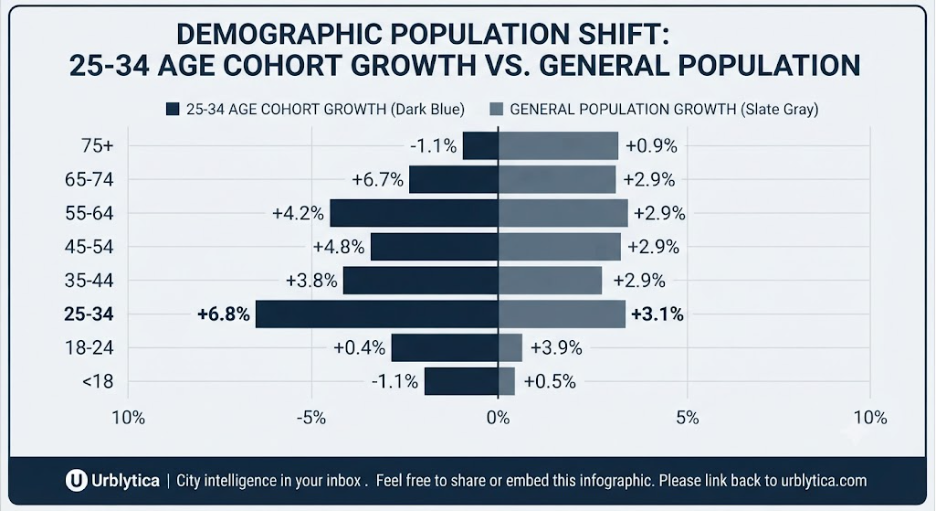
Table 1: Charlotte Metropolitan Area Demographic Trends
|
Demographic Segment |
Population Share |
Growth Trend 2024-2026 |
Economic Impact |
|
Young Professionals 25 to 34 |
26 percent |
+5.1 percent |
High Consumer Spend |
|
Skilled Workforce Participation |
74 percent |
+3.5 percent |
Increased Productivity |
|
International Migration |
14 percent |
+3.1 percent |
Cultural and Trade Links |
|
Senior Demographic 65 plus |
12 percent |
+2.4 percent |
Healthcare Demand |
|
Education Level Bachelor Plus |
45 percent |
+4.0 percent |
Innovation Capacity |
|
Household Median Income |
High |
+3.8 percent |
Purchasing Power |
The diversification of the population is not merely a statistical curiosity. It acts as a bridge to global trade and innovation. With a steady climb in educational attainment, Charlotte has become a destination for workers seeking to transition into highertier professional services and technology roles. Developers and urban planners are constantly reviewing rankings categories to ensure their development projects align with the specific needs of these growing segments.
The Financial Pillar
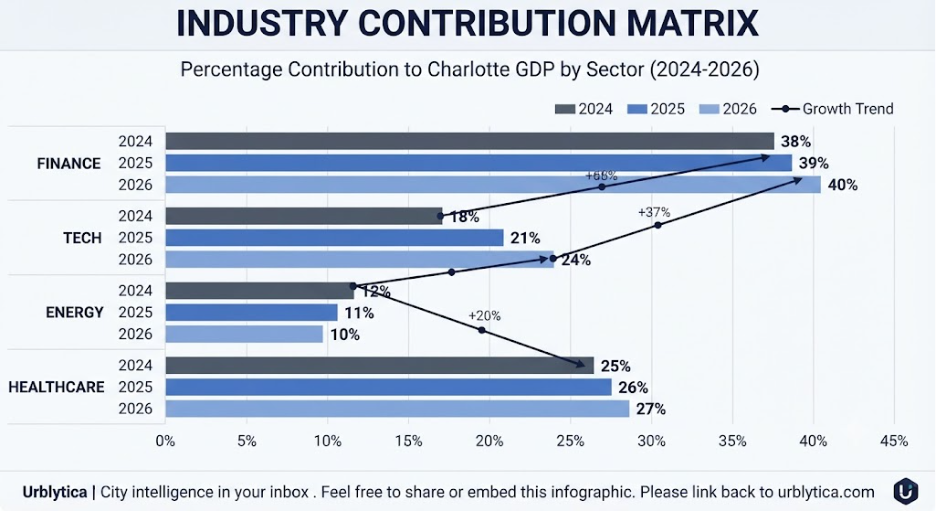
Charlotte remains the secondlargest financial hub in the United States, a status that dictates much of its economic trajectory. The presence of major banking institutions provides a foundational stability that many other cities lack. However, the financial sector is no longer just about brickandmortar banking. It has pivoted toward fintech, cybersecurity, and digital asset management.
Companies that aim to establish a foothold in this sector often choose to start a business within the city limits to take advantage of the dense professional network. The city is a breeding ground for institutional capital, which then cycles back into the local economy via venture investments and commercial real estate projects. For those looking to enter the market through acquisition, it is common to buy a business gain immediate access to local vendor contracts and established talent. This ecosystem supports a cycle of continuous investment and growth, ensuring the city remains a toptier destination for business growth opportunities.
Infrastructure and Regional Connectivity
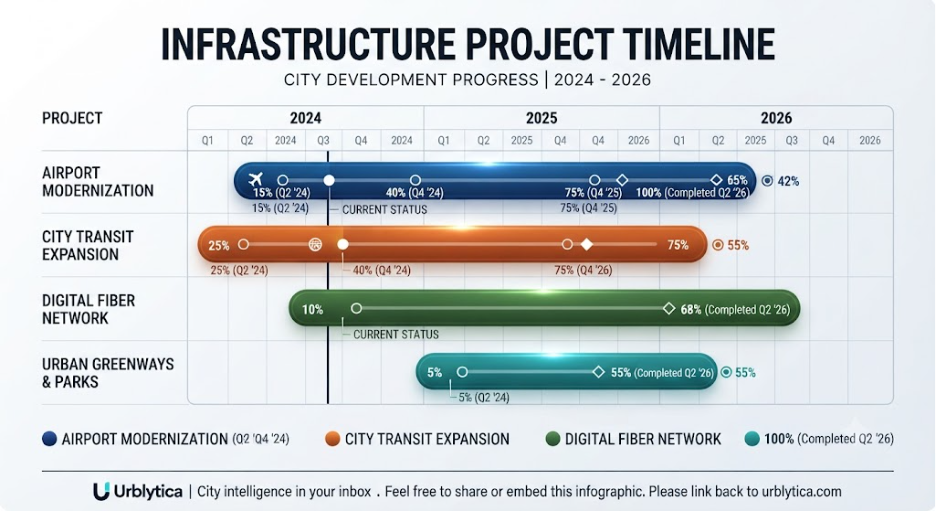
Infrastructure investment is the silent engine behind the growth of Charlotte. The expansion of Charlotte Douglas International Airport has solidified the city as a primary node in global logistics. As commerce becomes increasingly digital, businesses are optimizing their supply chains by locating in proximity to these logistics' arteries.
When firms prepare their distribution databases, the accuracy of their location data is paramount. Many organizations use andaddress cleaner to ensure their shipping and procurement data remain pristine, minimizing the friction associated with lastmile delivery. Connectivity extends beyond logistics, as the regional fiberoptic network has made the city a prime location for techheavy firms.
Table 2: Regional Infrastructure and Connectivity Status
|
Project Sector |
Completion Status |
Regional Impact |
Economic Contribution |
|
Airport Expansion |
90 percent |
Global Logistics Hub |
High |
|
Light Rail Extensions |
65 percent |
Transit Connectivity |
Moderate |
|
Digital Fiber Grid |
95 percent |
Tech Support |
High |
|
Flood Mitigation Systems |
70 percent |
Asset Protection |
Moderate |
|
Highway Arterial Upgrades |
80 percent |
Reduced Commute |
Moderate |
|
Public Transit Integration |
55 percent |
Urban Density |
Low |
For project managers operating in these highstakes industries, the ability to maintain focus is a competitive advantage. The rise of digital tools has streamlined internal operations, with many firms now using a time blocker to optimize the daily schedules of their teams. This focus on operational efficiency is a hallmark of the Charlotte business culture, ensuring that local firms remain competitive on a national scale.
Energy and Advanced Manufacturing
Beyond finance, Charlotte has cemented its role as a global leader in energy innovation. The city serves as a hub for both traditional energy providers and emerging green technology companies. This sector drives highskilled employment and provides a consistent base of demand for specialized support services.
As the energy sector evolves, the demand for sustainable practices grows. Companies in the Charlotte metro area are increasingly looking to audit their recurring expenses, often utilizing a subscription analyzer to ensure their digital overhead remains lean. This discipline is essential for firms that intend to scale their operations in a volatile global market. The concentration of energy firms creates a specialized labor market, which further elevates the median income in the metro area, as firms compete for top engineering and managerial talent.
Table 3: Employment and Industrial Contribution by Sector
|
Industry Sector |
Employment Share |
Primary Growth Driver |
Economic Impact |
|
Finance and Insurance |
25 percent |
Institutional Stability |
High |
|
Energy and Renewables |
18 percent |
Innovation and R and D |
High |
|
Logistics and Trade |
15 percent |
Infrastructure |
Moderate |
|
Professional Services |
12 percent |
Corporate Relocation |
Moderate |
|
Healthcare and Life Sciences |
10 percent |
Demographic Aging |
High |
|
Advanced Manufacturing |
8 percent |
Tech Integration |
Moderate |
The synergy between the energy sector and the local manufacturing base has created a unique ecosystem where research leads directly to application. This is a critical factor for organizations evaluating best cities for their next major facility. The availability of specialized research facilities and a probusiness tax environment make the metro area a prime candidate for manufacturing expansions.
Entrepreneurship and Business Formation
The startup ecosystem in Charlotte is maturing rapidly. While the city has long been known for its corporate headquarters, it is now seeing a significant uptick in earlystage ventures. Founders are frequently filing business filings to establish new entities, buoyed by the local availability of venture capital and incubators.
One of the challenges for new entrants is maintaining fiscal discipline during the initial growth phase. Many startups prioritize calculating their longterm sustainability early on, often using a breakeven calculator to map out their path to profitability. The city culture encourages this type of datadriven decisionmaking, which has historically led to higher startup success rates in Charlotte compared to other regional markets. The sheer volume of new firms contributes significantly to the strongest economic growth metrics seen in recent regional economic analysis.
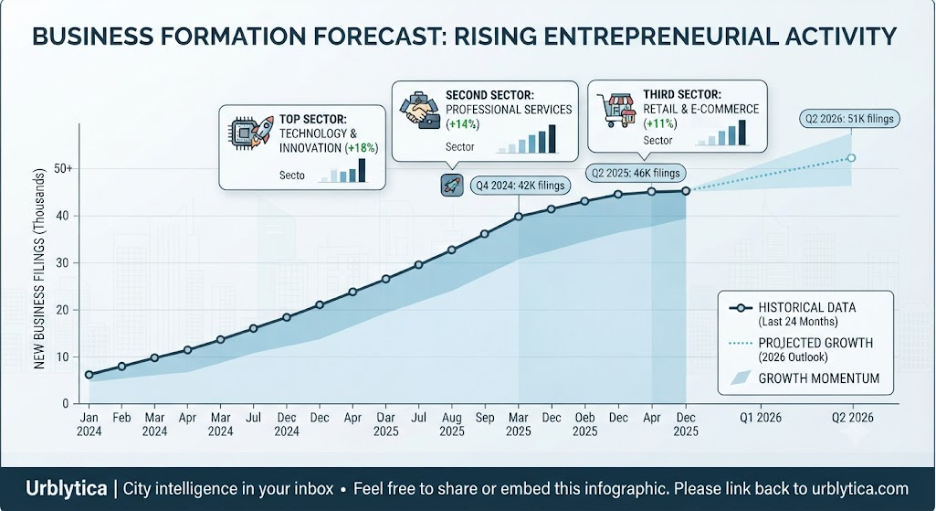
Table 4: Business Formation and Growth Metrics
|
Economic Indicator |
Charlotte MSA Value |
National Average |
Growth Outlook |
|
New Business Filings |
High |
Moderate |
Positive |
|
Venture Capital Inflow |
High |
Moderate |
Stable |
|
Startup Survival Rate |
88 percent |
82 percent |
Competitive |
|
Median Office Rent |
Moderate |
High |
Balanced |
|
Tech Job Openings |
High |
Moderate |
Increasing |
|
Entrepreneurial Density |
High |
Low |
Positive |
For entrepreneurs looking to find their place in this market, the key is to integrate into the existing networks of finance and energy that define the city. The city is often cited among the best cities for startups, largely due to its concentrated network of mentors and access to capital.
The Future of Healthcare and Aging
As the population grows, the demand for senior care and healthcare services is rising. This is a critical area of growth for the regional economy. Professionals in this sector are increasingly turning to data to optimize their service delivery. Analysts often track senior care statistics to understand how the shifting demographic landscape affects the volume of care required in the coming years.
Transitioning to assisted living is a complex process for many families, requiring careful financial and legal planning. Organizations that specialize in senior care provide necessary support, ensuring that as the population matures, the necessary infrastructure is already in place. This includes everything from home health resources to specialized memory care facilities. For those planning these transitions, following a stepbystep plan is highly recommended to minimize the stress of the move. The focus on highquality care options ensures that the city remains one of the best cities for retirees in the Southeast.
Economic Resilience and Strategic Planning
Charlotte has distinguished itself by maintaining lower unemployment levels even during periods of national volatility. This resilience is attributed to its balanced industrial base. When analyzing lowest unemployment statistics, it becomes clear that the diversity of the Charlotte labor market protects it from sectorspecific shocks. Corporate leaders often usedbusiness intelligence to ensure their longterm planning aligns with these favorable conditions.
As the city enters the latter half of 2026, the focus is shifting toward sustainable growth. This involves not only attracting new firms but also ensuring the existing infrastructure can support a denser population. The alignment between municipal planning and private investment has created a selfreinforcing cycle of success. Firms looking to navigate this landscape often engage with local chambers of commerce to ensure their expansion plans are met with appropriate community support.
Furthermore, the integration of technology into traditional industries continues to be a major theme. From AIdriven financial services to smartgrid energy management, the city is at the forefront of digital transformation. This technological adoption requires a highly skilled workforce, which the local academic institutions are actively producing through specialized training programs.
Frequently Asked Questions
1. What are the primary industries driving economic growth in Charlotte for 2026?
The primary growth industries in Charlotte for 2026 include finance and insurance, energy innovation, logistics, professional services, and healthcare. These sectors leverage the city's strong infrastructure and skilled workforce.
2. How do Charlotte demographics influence local business strategy?
The influx of young professionals and highly educated talent allows businesses to access a highquality labor pool, which is essential for innovation and complex operational management.
3. Why is Charlotte considered a top destination for corporate headquarters?
Charlotte offers a unique combination of a favorable regulatory environment, a central geographic location, and a deep talent pool, making it an ideal hub for companies looking for institutional stability.
4. How is the energy sector in Charlotte evolving?
The energy sector is moving toward a mix of traditional infrastructure and new green technology, with a heavy emphasis on research and development to maintain its status as an energy capital.
5. Is the startup ecosystem in Charlotte growing?
Yes, Charlotte is increasingly recognized as a hub for startups, with strong support from venture capital, business incubators, and a corporate culture that encourages entrepreneurial risktaking.
6. What role does the Charlotte Douglas International Airport play in the local economy?
The airport is a critical piece of infrastructure that supports the logistics and trade sectors, enabling the city to function as a global gateway for business and commerce.
7. How does the banking sector impact the local professional services market?
The presence of major financial institutions creates a high demand for legal, accounting, and consulting services, which in turn supports a robust and diverse professional services economy.
8. What are the key infrastructure projects currently impacting the city?
Major projects include the expansion of the airport, the extension of regional transit lines, and the buildout of a highspeed digital grid to support the growing tech sector.
9. How should a new business evaluate the Charlotte market?
A new business should start by conducting thorough market analysis, leveraging local economic data, and ensuring that their administrative and logistical foundations are handled through professional services.
10. What advice would you give to a firm looking to relocate to Charlotte?
Focus on understanding the regional talent dynamics, verify your logistical connectivity, and engage with local business organizations early to ensure a smooth transition into the competitive Charlotte market.