


City Profile
Auburn, Alabama
USA · Comprehensive city data and intelligence
Auburn, Alabama, often referred to as "The Loveliest Village on the Plains," is a vibrant city in Lee County, known for its strong connection to Auburn University. Founded in 1836 and incorporated in 1839, the city's character is deeply intertwined with the university, which was established in 1856 as the East Alabama Male College. This relationship has fostered a dynamic environment that blends Southern charm with youthful energy and a strong sense of community. People are drawn to Auburn for its welcoming atmosphere, nationally ranked public school system, and abundant amenities, making it a desirable place for families, professionals, and students alike.
Alabama, located in the southeastern United States, is characterized by its Southern charm, rich history, and diverse natural beauty, ranging from the Appalachian foothills to Gulf Coast beaches. The state's economy has diversified beyond its agricultural roots, with major industries now including automotive manufacturing, aerospace, healthcare, banking, and steel production. Living in Alabama generally offers a low cost of living, particularly for housing, which is significantly below the national average. The climate is humid subtropical, featuring hot, humid summers and mild winters with ample sunshine for much of the year, supporting an outdoor-oriented lifestyle.
Performance
Quality Scores
Expenses
Cost of Living
The cost of living in Auburn, Alabama, is generally more affordable than the national average, with an overall cost of living index of 96, meaning it is 4% lower than the national average. Housing expenses are a significant factor in this affordability, being approximately 20% lower than the national average. However, utility prices in Auburn are about 6% higher than the national average, largely due to the long, humid Alabama summers that necessitate heavy air conditioning use. Grocery prices are also slightly lower, at about 4% below the national average, while transportation costs are around 10.9% lower.
Income
Salary Insights
Auburn's economy is robust and growing, with the city ranking among the top 10 Best-Performing Small Cities in 2026 by the Milken Institute. This recognition highlights the area's capacity for sustained labor market growth and an environment that fosters innovation. The Auburn-Opelika metropolitan area has seen an average of 198 new jobs per month over the past five years, with a job growth rate of 4.0% from July 2023 to July 2024. Key industries driving Auburn's economy include Services, Manufacturing, Leisure and Hospitality, Education, and Professional and Business Services. Auburn University plays a central role, contributing significantly to the state's economy and creating over 30,000 jobs beyond its direct employment. The city also boasts a thriving and innovative business community, with high-paying sectors like professional and business services, financial activities, and the information sector experiencing notable employment growth in 2024.
The average salary in Auburn is $51,096 per year. You would need approximately $55,000 to live comfortably.
Employment
Top Industries
Weather
Climate
Mobility
Transport
Getting around Auburn primarily relies on personal vehicles, as the city is largely car-dependent. The average commute time for residents is 19.9 minutes. While some areas, particularly around Downtown and Auburn University, are considered walkable, the city's average Walk Score is 28. Auburn University operates the Tiger Transit system, which provides free bus service for students, connecting major university buildings, residence halls, and off-campus apartments. However, general public transit options are limited, contributing to the city's medium car dependency.
At a Glance
Pros & Cons
Advantages
Drawbacks
Head to Head
Compare Auburn
More in Auburn
Do business & find care in Auburn
Business & Franchises
Ready to buy, franchise, or launch a business in Auburn, Alabama?
Powered by AziBizSenior Care
21 senior care facilities in Auburn — assisted living, nursing & memory care.
Powered by FindCarezBusinesses for Sale in Alabama
Explore active acquisition & franchise opportunities across Alabama.
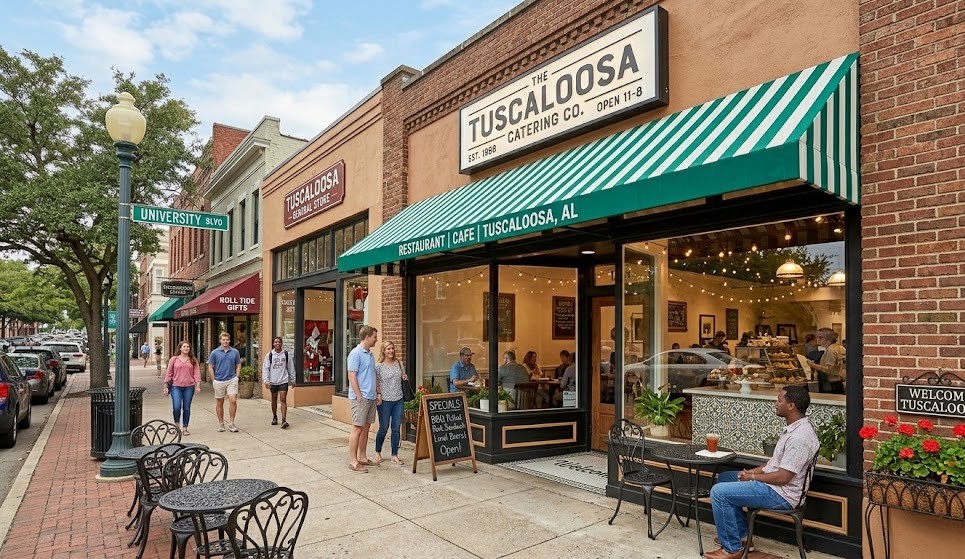 Independent
Small Restaurant for Sale – Tuscaloosa
Tuscaloosa, Alabama
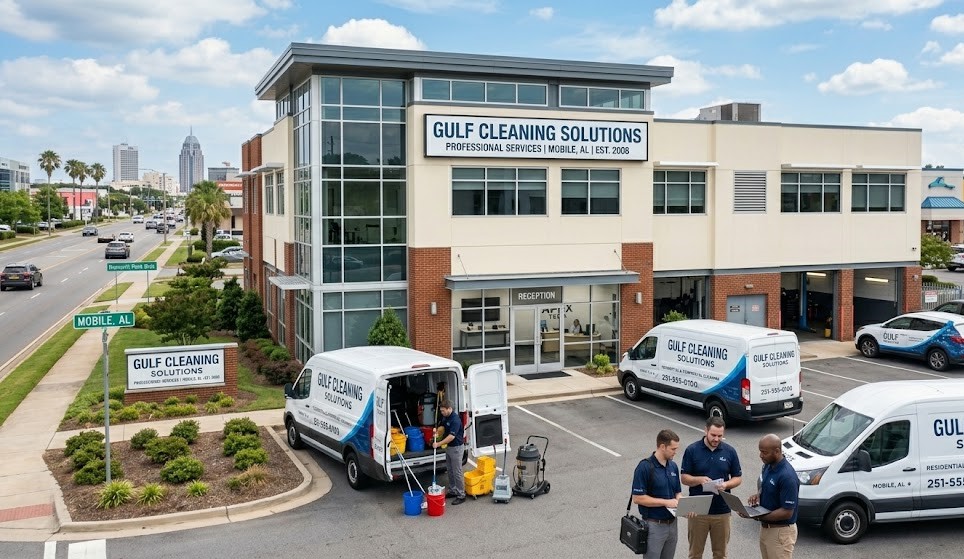 Independent
Professional Cleaning Company for Sale – Mobile
Mobile, Alabama
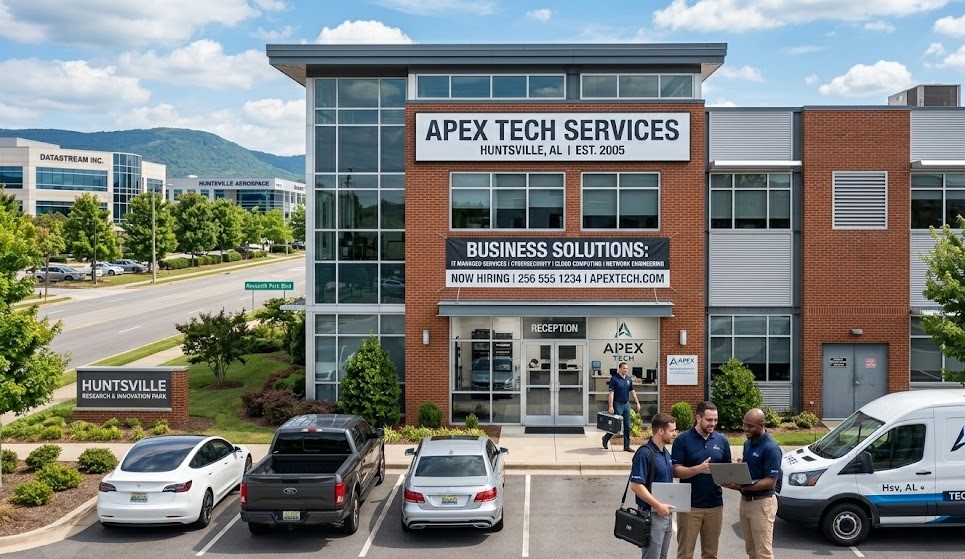 Service Company
IT & Tech Services Company for Sale – Huntsville
Huntsville, Alabama
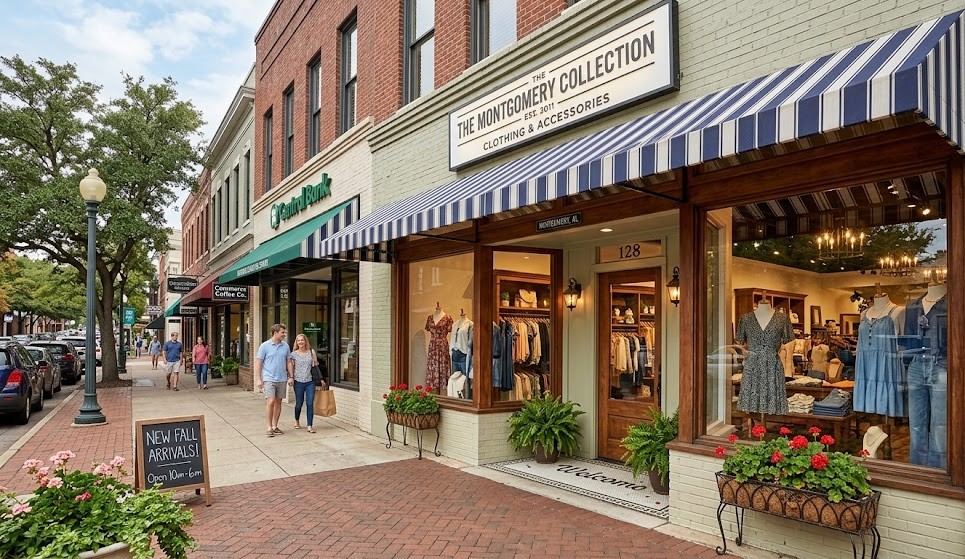 Independent
Retail Clothing Store for Sale – Montgomery
Montgomery, Alabama
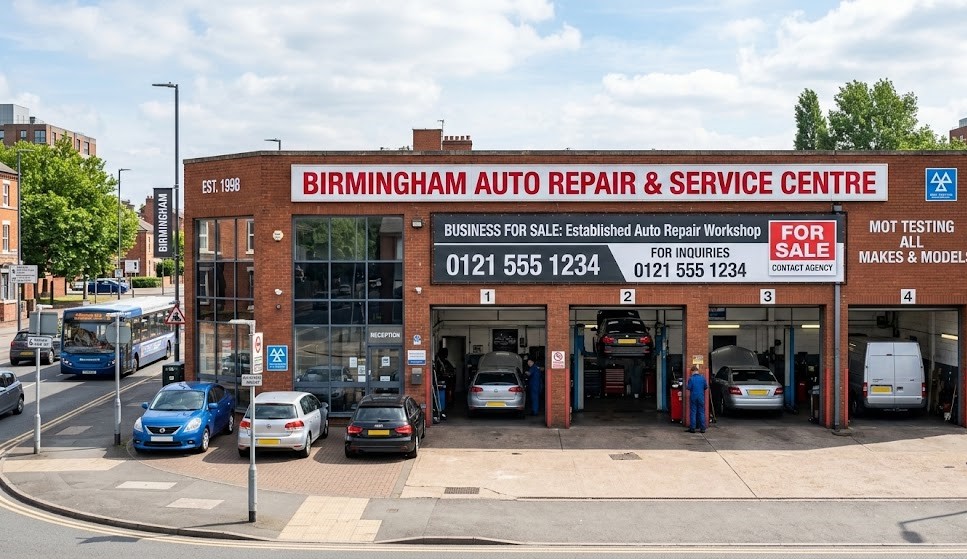 Independent
Established Auto Repair Business for Sale – Birmingham
Birmingham, Alabama
Local Directory
Businesses in Auburn
No businesses listed in Auburn yet — be the first to get in front of people moving here.
Add your business — free
Compare Auburn with any city
See how it stacks up on cost, income, and quality of life.
Start Comparing