


City Profile
Decatur, Alabama
USA · Comprehensive city data and intelligence
Decatur, Alabama, often called 'The River City,' is a vibrant community nestled along the Tennessee River. It boasts a rich history, evident in its well-preserved historic districts and charming downtown area. The city offers a blend of Southern hospitality and a growing economy, attracting individuals and families seeking a balance of affordability and quality of life. Decatur is known for its strong sense of community, diverse population, and access to outdoor recreational activities, particularly those centered around the river.
People are drawn to Decatur for its relatively low cost of living compared to national averages, making it an attractive option for those looking to stretch their dollar further. The city's strategic location in North Alabama also provides access to larger metropolitan areas while maintaining a more relaxed, small-town feel. With a focus on economic development and community engagement, Decatur continues to grow as a desirable place to live, work, and raise a family.
Alabama, located in the southeastern United States, is characterized by its Southern charm, rich history, and diverse natural beauty, ranging from the Appalachian foothills to Gulf Coast beaches. The state's economy has diversified beyond its agricultural roots, with major industries now including automotive manufacturing, aerospace, healthcare, banking, and steel production. Living in Alabama generally offers a low cost of living, particularly for housing, which is significantly below the national average. The climate is humid subtropical, featuring hot, humid summers and mild winters with ample sunshine for much of the year, supporting an outdoor-oriented lifestyle.
Performance
Quality Scores
Expenses
Cost of Living
The cost of living in Decatur, Alabama, is notably lower than the national average, encompassing everyday goods, housing, utilities, transportation, and healthcare expenses. This affordability is a significant draw for residents, allowing for a higher quality of life without the burden of exorbitant costs. The median home value in Decatur was $202,500 in 2024, which is considerably lower than the national average.
While specific cost drivers can fluctuate, the overall affordability in Decatur is largely influenced by its housing market, which offers favorable home affordability and appreciation rates. The lower cost of living extends to various aspects of daily expenses, making it a practical choice for individuals and families seeking a more budget-friendly lifestyle compared to many other U.S. cities.
Income
Salary Insights
Decatur's job market has shown positive growth, with future job growth predicted to be 30.5% over the next ten years. The city's economy is driven by several key industries, including manufacturing, retail, poultry, real estate, healthcare, and tourism. Major employers and a diverse industrial base contribute to a stable employment landscape.
The average annual salary in Decatur was $56,363 as of June 2026, with top earners reaching around $72,443 annually. While a significant portion of the workforce drives alone to work, the average commute time is shorter than the national average, indicating a relatively accessible job market within the city and surrounding areas.
The average salary in Decatur is $56,363 per year.
Employment
Top Industries
Weather
Climate
Mobility
Transport
In Decatur, most residents rely on personal vehicles for transportation. In 2024, 83.1% of workers drove alone to work, with 8.19% carpooling. The average commute time for residents is 26 minutes, which is slightly shorter than the national average. Car ownership in Decatur is approximately the same as the national average, with an average of two cars per household.
Public transit usage is relatively low, with approximately 0.2% taking mass transit. While specific walkability scores for 2024-2026 are not consistently available across all sources, some older data indicates a car-dependent environment. The city's infrastructure is primarily designed for vehicular travel, making car dependency medium to high.
At a Glance
Pros & Cons
Advantages
Drawbacks
Head to Head
Compare Decatur
More in Decatur
Do business & find care in Decatur
Business & Franchises
Ready to buy, franchise, or launch a business in Decatur, Alabama?
Powered by AziBizSenior Care
19 senior care facilities in Decatur — assisted living, nursing & memory care.
Powered by FindCarezBusinesses for Sale in Alabama
Explore active acquisition & franchise opportunities across Alabama.
 Independent
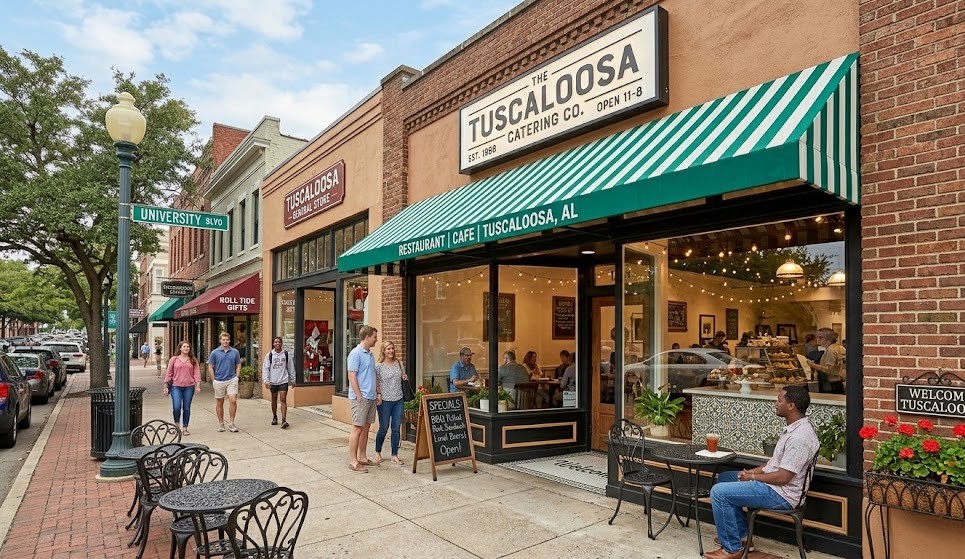
Small Restaurant for Sale – Tuscaloosa
Tuscaloosa, Alabama
 Independent
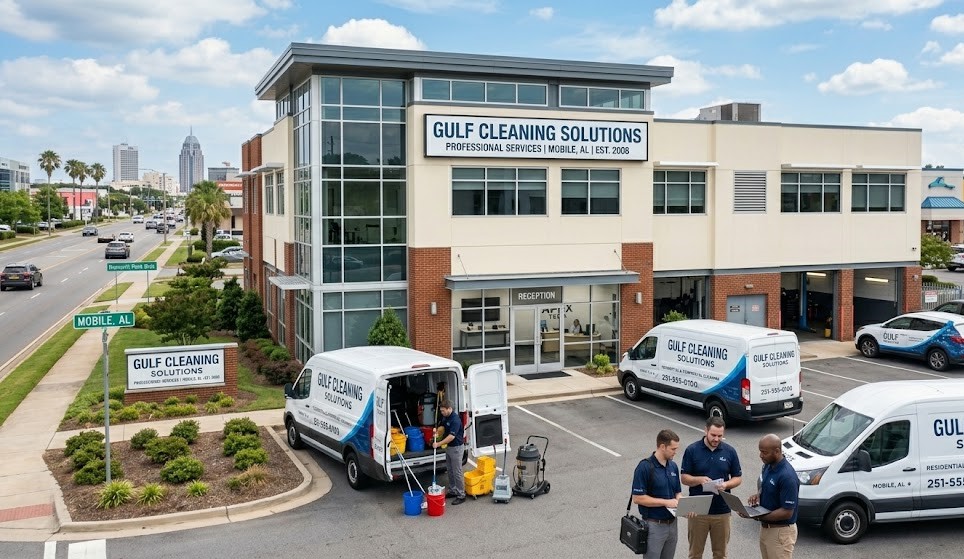
Professional Cleaning Company for Sale – Mobile
Mobile, Alabama
 Service Company
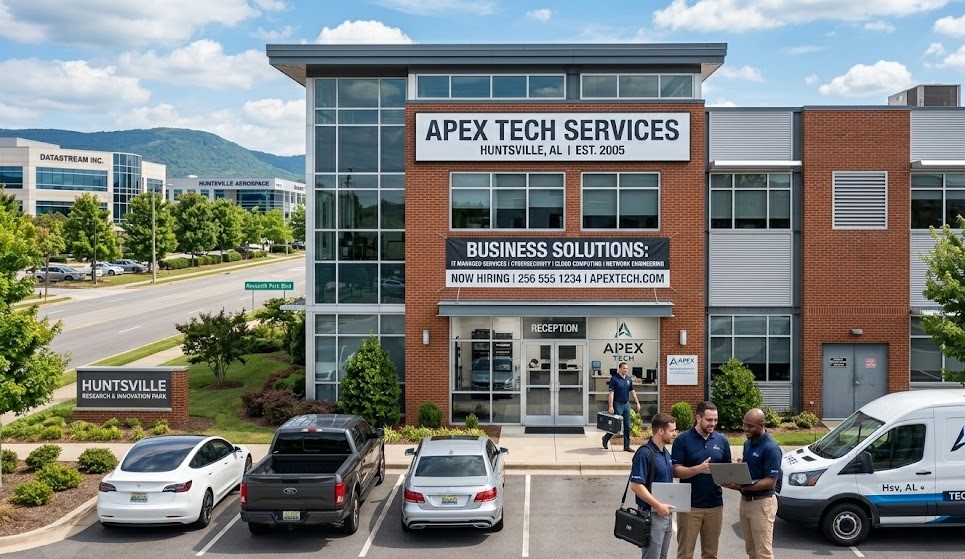
IT & Tech Services Company for Sale – Huntsville
Huntsville, Alabama
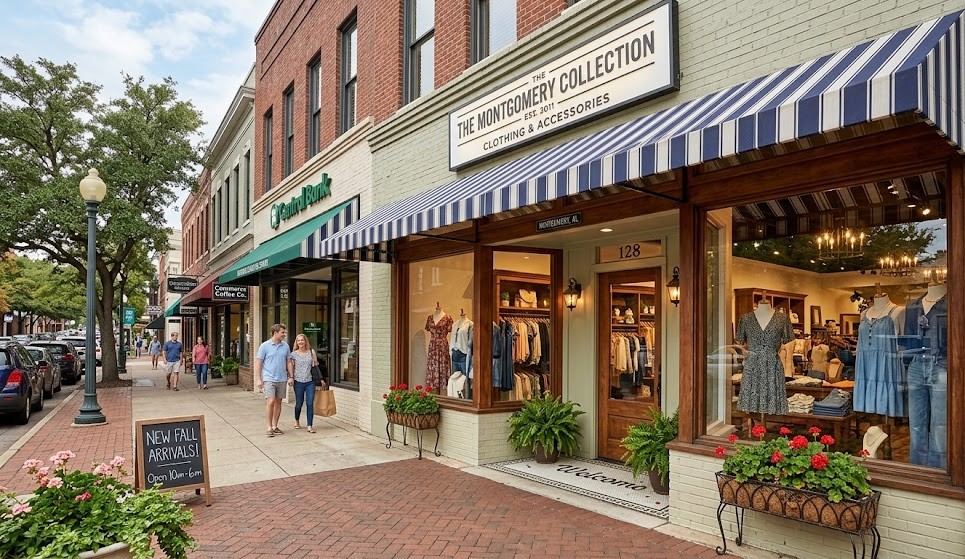 Independent
Retail Clothing Store for Sale – Montgomery
Montgomery, Alabama
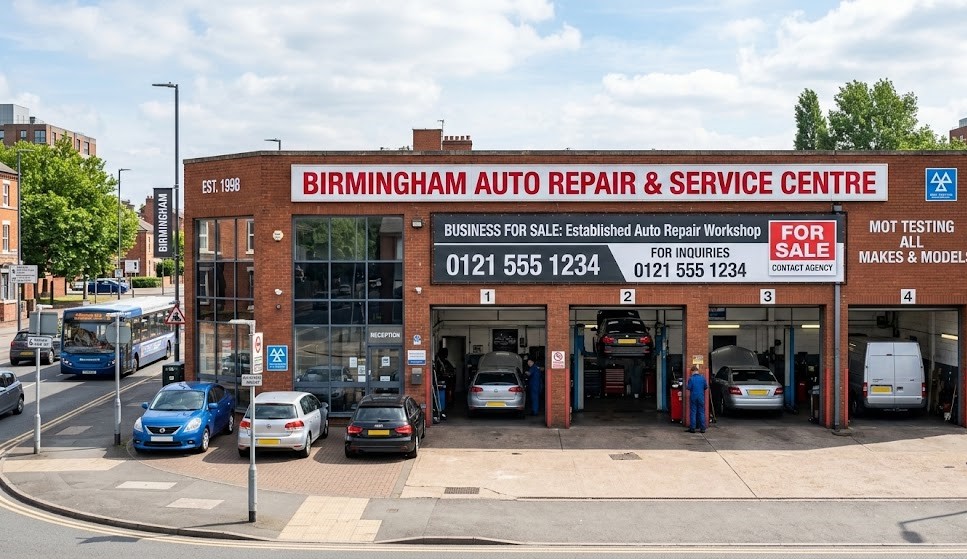 Independent
Established Auto Repair Business for Sale – Birmingham
Birmingham, Alabama
Local Directory
Businesses in Decatur
No businesses listed in Decatur yet — be the first to get in front of people moving here.
Add your business — free
Compare Decatur with any city
See how it stacks up on cost, income, and quality of life.
Start Comparing