


City Profile
Miami, Florida
USA · Comprehensive city data and intelligence
Miami, Florida, often referred to as the "Magic City," is a vibrant metropolis known for its stunning beaches, diverse culture, and dynamic economy. Originally founded in the late 19th century, Miami has grown into a global hub, attracting individuals and businesses with its unique blend of Latin American influence, art deco architecture, and tropical climate. People are drawn to Miami for its energetic lifestyle, burgeoning tech scene, and status as a gateway to international trade. The city's rapid development and cultural richness make it a compelling destination for those seeking both professional opportunities and a high quality of life.
Florida, known as the "Sunshine State," offers a diverse character with a laid-back beach culture and vibrant city life, attracting a mix of residents including many transplants. Its economy, the fourth largest in the U.S. as of 2024, is driven by major industries such as tourism, real estate, agriculture, aerospace and aviation, financial services, and healthcare and life sciences. Living in Florida generally entails a cost of living slightly higher than the national average, though it varies by city, with an average annual cost around $50,689 per person. The climate is characterized by hot, humid summers and mild winters, with abundant sunshine year-round, fostering an outdoor-oriented lifestyle. Florida also boasts a tax-friendly environment with no state income tax.

Performance
Quality Scores
Expenses
Cost of Living
The cost of living in Miami, FL, is notably higher than the national average, standing at approximately 20.6% above the U.S. average in 2026. Housing expenses are a primary driver of this elevated cost, with prices for homes and rent significantly exceeding national figures. For instance, housing in Miami is about 57.0% more expensive than the national average. While some costs like healthcare can be more affordable than the U.S. average, other necessities such as groceries and utilities also contribute to the higher overall expenditure, being around 10.3% and 2.1% higher, respectively.
Income
Salary Insights
Miami's economy is robust and diverse, driven by several key sectors. Top industries include Technology, Healthcare, Real Estate and Construction, Tourism/Hospitality, Trade & Logistics, and Financial Services. The city has seen significant growth in its tech scene, attracting substantial venture capital investments and establishing itself as a prominent tech hub. The Miami metro area experienced a job growth rate of 2.9% in August 2024, with strong gains in education and health services, leisure and hospitality, professional and business services, and construction. Miami's pro-business environment, coupled with no state income tax, continues to attract new businesses and professionals, fostering a dynamic job market and a growing remote work scene.
The average salary in Miami is $60,900 per year. You would need approximately $87,156 to live comfortably.
Employment
Top Industries
Weather
Climate
Mobility
Transport
Getting around Miami is a mix of public transit, walkability, and driving, though the city is making strides to reduce car dependency. Miami boasts an impressive walkability score of 77 out of 100 and a bike-friendliness score of 64 out of 100, ranking it as the second-most walkable city in the U.S. in 2025. The average commute time for workers is around 27.3 minutes. Public transportation options include the Metromover, Metrorail, and Metrobus, which connect various parts of the city and surrounding areas. Initiatives like the Underline green belt system further promote walking and biking, making it easier for residents to navigate without a car, particularly in densely developed neighborhoods.
At a Glance
Pros & Cons
Advantages
Drawbacks
Related
Insights about Miami
More in Miami
Do business & find care in Miami
Business & Franchises
Ready to buy, franchise, or launch a business in Miami, Florida?
Powered by AziBizSenior Care
15 senior care facilities in Miami — assisted living, nursing & memory care.
Powered by FindCarezBusinesses for Sale in Miami
Explore active acquisition & franchise opportunities in Miami, Florida.
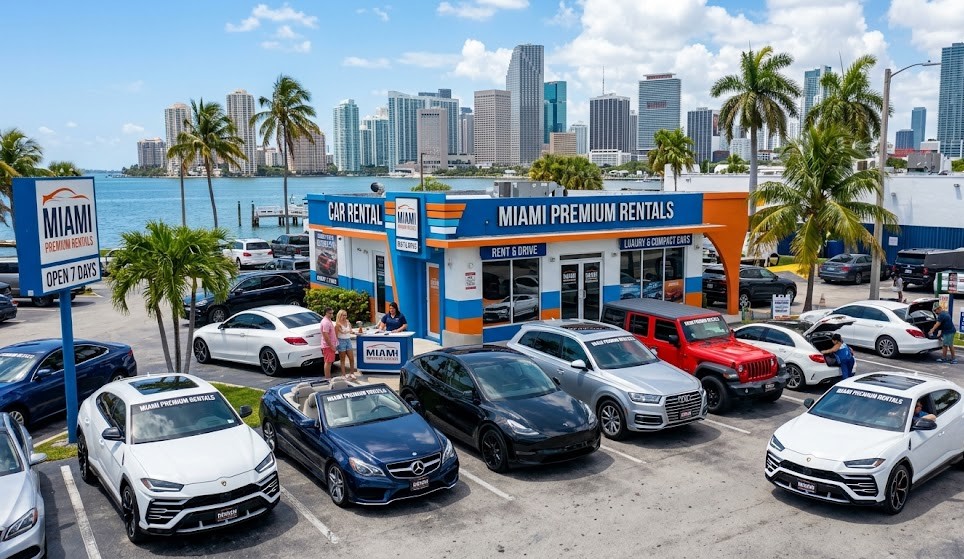 Independent
Profitable Car Rental Business for Sale – Miami
Miami, Florida
 Established Business
Busy Convenience Store in Central Miami
Miami, Florida
 Established Business
Profitable Medical Spa in Miami Brickell
Miami, Florida
 Brick & Mortar
Established Fitness Gym in Miami – Turnkey
Miami, Florida
Local Directory
Businesses in Miami
No businesses listed in Miami yet — be the first to get in front of people moving here.
Add your business — free
Compare Miami with any city
See how it stacks up on cost, income, and quality of life.
Start Comparing