


City Profile
Austin, Texas
USA · Comprehensive city data and intelligence
Austin, the capital of Texas, is a vibrant city renowned for its unique blend of live music, innovative technology, and a strong sense of community. Often referred to as the 'Live Music Capital of the World', Austin boasts a dynamic cultural scene with numerous venues and festivals. The city has also earned the nickname 'Silicon Hills' due to a significant influx of technology and development companies, attracting a diverse population, including many young professionals. Its appeal lies in a robust job market, a high quality of life, and an abundance of outdoor activities, drawing millions of new residents and businesses annually. Austin's commitment to preserving its distinctive character is encapsulated in the unofficial slogan 'Keep Austin Weird,' which champions local businesses and unique cultural expressions.
Texas, known as the "Lone Star State," is characterized by its vast and diverse landscapes, ranging from eastern forests to western deserts, and a strong sense of cultural identity. Its economy is one of the largest and most diverse in the United States, driven by major industries such as energy (oil, natural gas, and renewables), information technology, aerospace, defense, manufacturing, and agriculture. Living in Texas generally offers a lower cost of living compared to the national average, with housing expenses being approximately 16% lower. The climate varies significantly across the state, from humid subtropical in the east to semi-arid in the west, with notoriously hot summers, especially in southern cities, and mild to cool winters. The lifestyle often blends urban amenities with a strong appreciation for outdoor activities, Texan heritage, and a generally pro-business environment.
Performance
Quality Scores
Expenses
Cost of Living
The cost of living in Austin is generally considered higher than the Texas state average, aligning closely with or slightly exceeding the national average. This premium is primarily driven by a competitive housing market, where both home prices and rental rates have seen substantial appreciation. While housing constitutes the most significant expense, everyday costs such as groceries, utilities, and healthcare are typically in line with or slightly above national averages. Despite the higher expenses, many residents find Austin's unique lifestyle, amenities, and robust job opportunities justify the investment, especially when compared to other major U.S. cities like Los Angeles or San Francisco.
Income
Salary Insights
Austin's job market is robust and dynamic, with a significant 2.1% job growth rate in 2024, making it one of the fastest-growing large metros in the U.S.. The city's economy is diversified, anchored by strong sectors such as technology, healthcare, and education, alongside thriving creative industries. Major tech companies like Dell, Apple, Meta, Google, and Tesla have established a significant presence, contributing to Austin's 'Silicon Hills' reputation. The city also fosters a strong entrepreneurial climate, ranking highly for startup growth and business density, with over 7,000 new businesses created in 2024. This environment, coupled with a relatively low unemployment rate, continues to attract talent and investment.
The average salary in Austin is $65,250 per year. You would need approximately $122,000 to live comfortably.
Employment
Top Industries
Weather
Climate
Mobility
Transport
Getting around Austin can be challenging due to traffic congestion, with commuters spending a significant amount of time in traffic. The city's transportation infrastructure is largely car-dependent, with about 70% of commuters driving alone. However, Austin does offer public transportation through Capital Metro, which includes bus and MetroRail services, with a monthly pass costing $41.25 for local services. The city has a Walk Score of 42, indicating that most errands require a car, a Transit Score of 35, suggesting some public transportation options, and a Bike Score of 54, making it somewhat bikeable. Efforts are underway to improve pedestrian and cycling infrastructure, as evidenced by the increase in Austin's PeopleForBikes City Ratings score to 34 in 2024.
At a Glance
Pros & Cons
Advantages
Drawbacks
Head to Head
Compare Austin
Related
Insights about Austin
More in Austin
Do business & find care in Austin
Business & Franchises
Ready to buy, franchise, or launch a business in Austin, Texas?
Powered by AziBizSenior Care
9 senior care facilities in Austin — assisted living, nursing & memory care.
Powered by FindCarezBusinesses for Sale in Austin
Explore active acquisition & franchise opportunities in Austin, Texas.
 Independent
Boutique Coffee Shop for Sale – Austin
Austin, Texas
Established Fitness Studio in Austin
Austin, 108
 Business for Sale
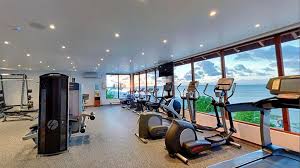
Profitable Turnkey Fitness Gym for Sale – Austin, Texas, USA
Austin, 108
 Established Business
Boutique Fitness Studio in Austin (Recurring Revenue)
Austin, 108
 Home Based / Service
Home-Based Digital Marketing Agency in Austin
Austin, 108
Local Directory
Businesses in Austin
No businesses listed in Austin yet — be the first to get in front of people moving here.
Add your business — free
Compare Austin with any city
See how it stacks up on cost, income, and quality of life.
Start Comparing